Auther:2023-04-17
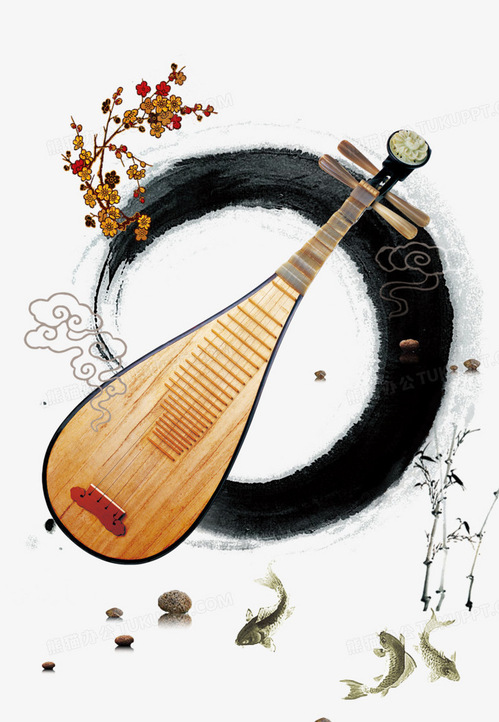
Pipa, plucked instruments, the first seat, plucked string class string instrument. Made of wood or bamboo, the speaker is half pear-shaped, with four strings, originally made of silk, now more steel wire, steel rope, nylon. The neck and the panel with to determine the sound position of the phase and pin.
It is an important national instrument that can be played solo, accompanied, repertoire, or in an ensemble.
Pipa, a traditional Chinese plucked instrument, has a history of over 2,000 years. The instrument was first called pipa in China around the Qin Dynasty. The word pipa in the word jade means two jade touching each other, emitting a pleasant clanging sound, which means that this is a kind of instrument that makes sound by playing the strings.
Its name Pip, Paz is based on the right-hand technique of playing these instruments. That is to say, pipa and papa is the name of the original two playing techniques, pipa is the right hand to play forward, papa is the right hand to pick back. Prior to the Tang Dynasty, pipa was also the general name for all the lute family (also known as lute genus) plucked instruments in Chinese. The Chinese pipa spread to other parts of East Asia and developed into the current Japanese pipa, Korean pipa, and Vietnamese pipa.